Web Scraping for Job Listings Using Python and BeautifulSoup
DOI:
https://doi.org/10.63345/sjaibt.v2.i3.308Keywords:
Web scraping, job listings, data mining, HTML parsing, employment trends, recruitment analyticsAbstract
The rapid evolution of the digital job market has resulted in a massive volume of employment opportunities being posted on online platforms daily, ranging from global recruitment portals to specialized niche boards. Accessing, structuring, and analyzing this data efficiently has become a crucial requirement for researchers, recruiters, and policymakers. Manual collection of job listing data is inherently slow, inconsistent, and prone to human error, which significantly limits the potential for large-scale, real-time labor market analysis. This research investigates the application of Python and the BeautifulSoup library for automated web scraping of job listings, providing a scalable, accurate, and efficient approach to recruitment data extraction.
Downloads
References
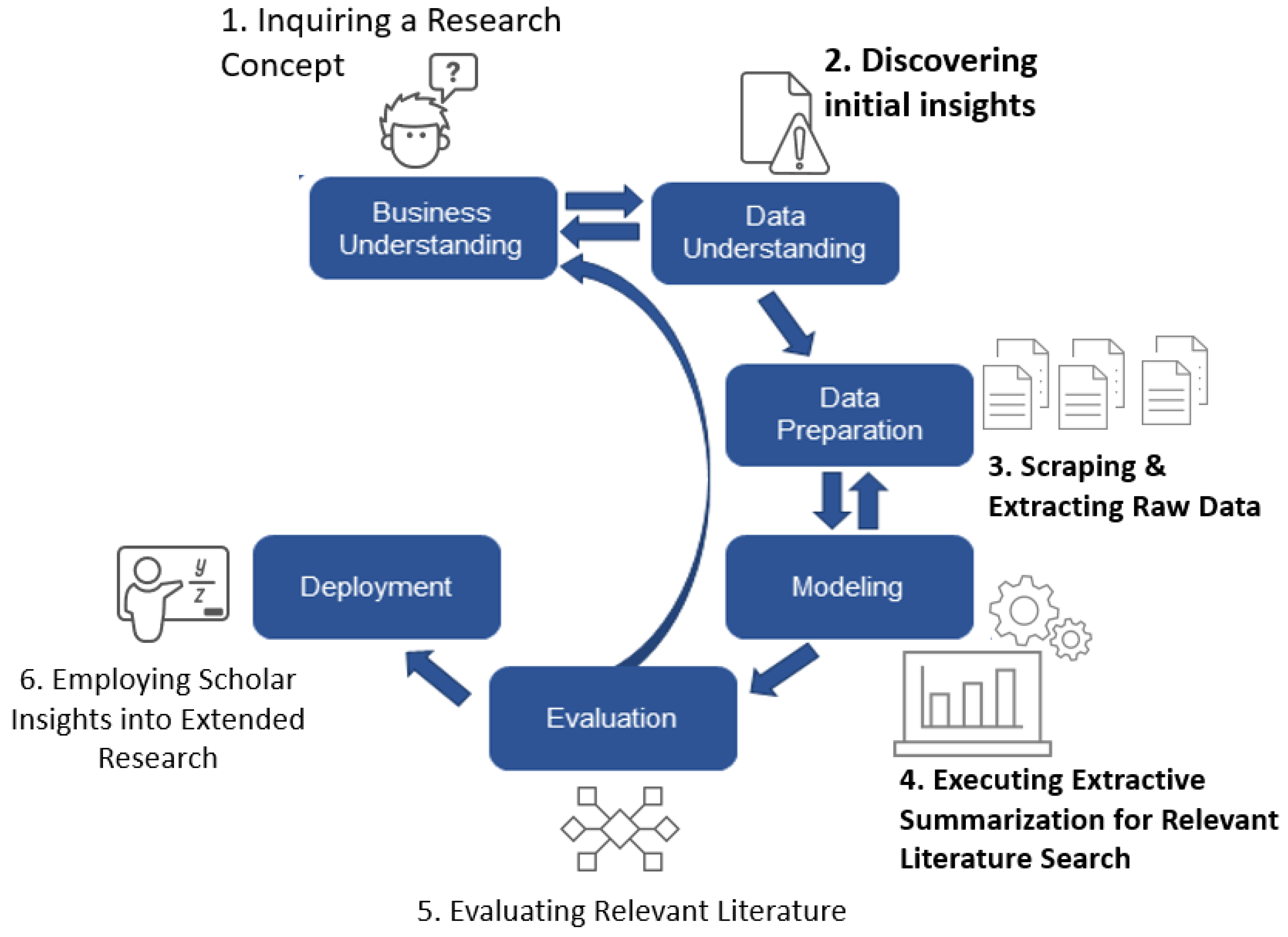
• https://www.mdpi.com/asi/asi-02-00037/article_deploy/html/images/asi-02-00037-g001.png
• Adams, R. (2022). Ethical considerations in web scraping: A review of recruitment data practices. Journal of Digital Ethics, 14(2), 45–59.
• Bird, S., Klein, E., & Loper, E. (2009). Natural language processing with Python. O’Reilly Media.
• Chen, H., & Zhang, W. (2021). Automated extraction of recruitment data for labor market analysis. Computational Economics, 58(3), 745–762.
• Domański, R., & Kłopotek, M. (2020). Data mining methods for labor market analysis. Information Systems in Management, 9(1), 45–56.
• Finkel, J. R., & Manning, C. D. (2010). NLP-based skill extraction from job postings. Computational Linguistics, 36(4), 693–707.
• Gupta, R., & Jain, S. (2022). Comparative evaluation of Python web scraping frameworks. International Journal of Computer Applications, 184(25), 1–7.
• Harris, C., & Liu, Y. (2020). Python web scraping cookbook. Packt Publishing.
• Kay, J., & Kim, H. (2021). Labor market intelligence from online recruitment platforms. Economic Modelling, 97, 312–325.
• Li, X., & Chen, J. (2019). Real-time labor market analytics via automated web crawling. Information Processing & Management, 56(4), 1234–1248.
• McKinney, W. (2018). Python for data analysis (2nd ed.). O’Reilly Media.
• Nguyen, T., & Zhao, L. (2020). Improving accuracy of web-scraped job data through cleaning and normalization. Journal of Data Science, 18(3), 410–425.
• Patil, S. (2021). Using BeautifulSoup for large-scale recruitment analytics. Data Science Review, 7(2), 88–96.
• Russell, M. A. (2018). Mining the web: Transforming data into knowledge. Wiley.
• Sharma, P., & Singh, R. (2020). Employment trends analysis using web scraping techniques. International Journal of Data Science, 5(1), 15–28.
• Smith, D., Jones, A., & Taylor, M. (2021). Skills gap identification using job listing data. Journal of Labor Studies, 42(1), 56–72.
• Van Rossum, G., & Drake, F. L. (2020). The Python language reference manual. Python Software Foundation.
• Wang, Q., & Zhou, X. (2021). Large-scale web data extraction for economic research. Journal of Web Engineering, 20(5), 1107–1124.
• Yan, L., & Huang, J. (2022). Automation of labor market intelligence collection. Applied Economics Letters, 29(19), 1712–1716.
• Yu, X., & Meng, X. (2020). Evaluation of scraping performance in dynamic recruitment portals. Procedia Computer Science, 177, 256–263.
• Zeng, W., & Liu, Z. (2021). Ethical and legal boundaries in automated data collection. Journal of Internet Law, 24(9), 3–15.
Downloads
Published
Versions
- 03-11-2026 (2)
- 02-09-2025 (1)
Issue
Section
License
Copyright (c) 2025 Scientific Journal of Artificial Intelligence and Blockchain Technologies

This work is licensed under a Creative Commons Attribution 4.0 International License.
The license allows re-users to share and adapt the work, as long as credit is given to the author and don't use it for commercial purposes.